Portable pH meters work by measuring the hydrogen ion concentration in a solution through electrical potential differences generated between two electrodes.
The device consists of a combined probe containing two key electrodes: a glass measuring electrode and a reference electrode. The measuring electrode features a special glass membrane that interacts with hydrogen ions in the test solution, creating a small voltage that varies with pH levels. The reference electrode, typically filled with saturated potassium chloride solution, maintains a constant voltage for comparison purposes.
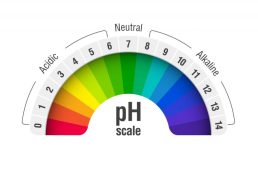
When the probe is immersed in a sample, hydrogen ions accumulate around the glass bulb and exchange with metal ions in the electrode through the porous membrane. This ion exchange generates an electrical potential that the meter’s microprocessor captures and converts into a pH reading using the Nernst equation. Higher acidity means more hydrogen ions, producing higher voltage and lower pH readings (below 7). Alkaline solutions have fewer hydrogen ions, creating lower voltage and higher pH readings (above 7). Neutral solutions register at pH 7.
Modern portable pH meters include temperature sensors because temperature affects pH measurements. The device automatically compensates for temperature variations to ensure accuracy. Before use, the meter must be calibrated using standard buffer solutions at known pH values (typically 4.0, 7.0, and 10.0) to maintain precision.
Portable models feature water-resistant housings, battery power, and digital displays, making them suitable for field testing in agriculture, water treatment, food production, and environmental monitoring where laboratory benchtop meters are impractical.